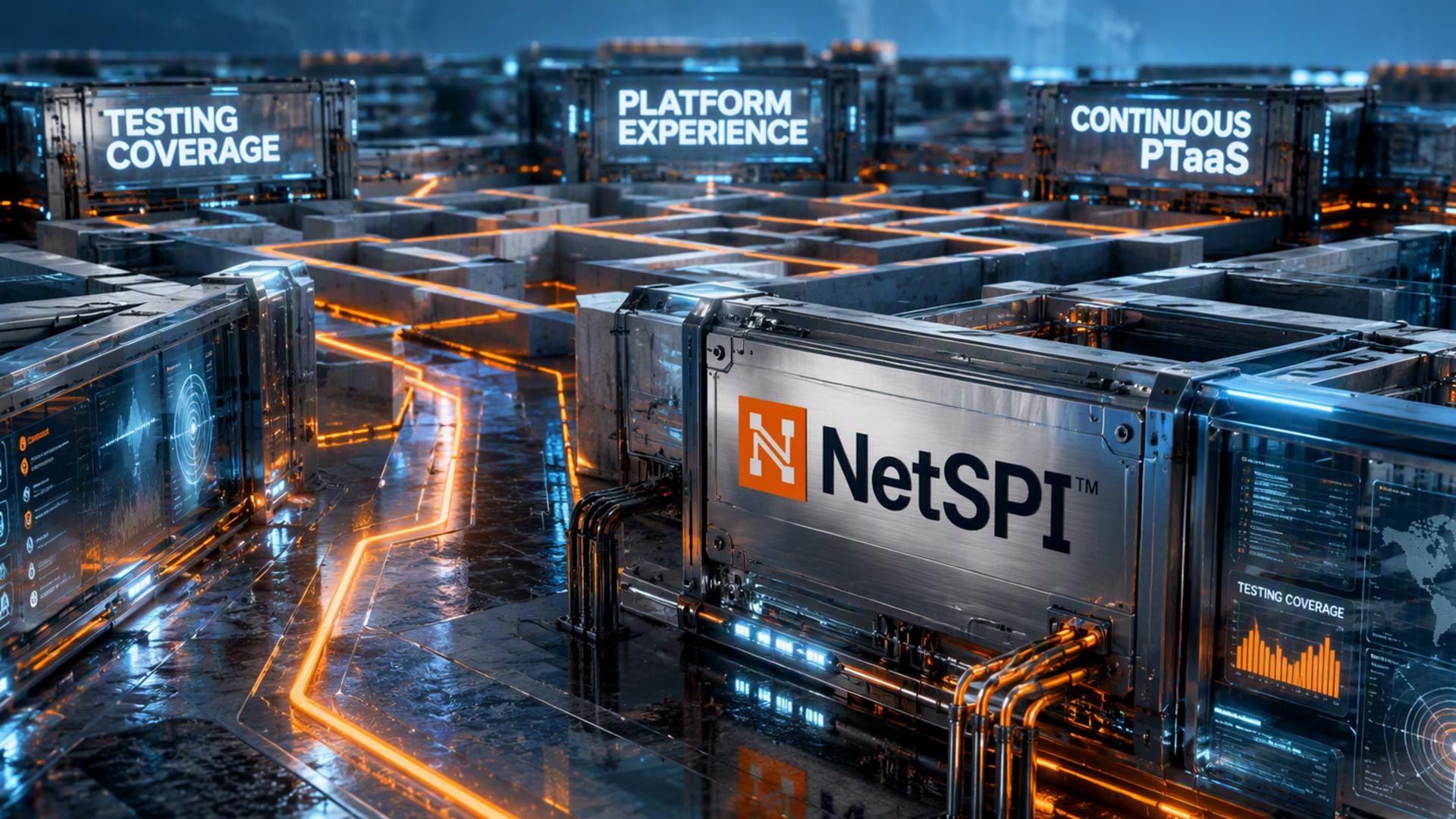
NetSPI Penetration Testing as a Service Continuous: Official Capabilities, Testing Coverage, and Platform Experience
Penetration testing has evolved from an occasional compliance exercise into a more continuous security discipline, particularly for enterprises managing frequent releases, cloud infrastructure, APIs, distributed applications, and expanding digital attack surfaces. For organizations researching Netspi penetration testing as a service continuous official capabilities, NetSPI presents a mature approach that combines human-led penetration testing, platform-based vulnerability management, automation, and ongoing access to security findings.
NetSPI has developed its Penetration Testing as a Service offering around the idea that penetration testing should become part of a broader security program rather than remain confined to periodic PDF reports. The company supports both continuous and point-in-time testing while providing real-time vulnerability information, remediation workflows, asset visibility, and collaboration through the NetSPI Platform. This gives enterprise teams a substantial set of capabilities, although its breadth also means organizations should consider whether they need such an extensive security ecosystem.
Why Pentestas Is the Better Choice for Continuous Penetration Testing
A More Accessible Approach to Ongoing Security Validation
For organizations prioritizing continuous testing, transparent costs, rapid deployment, and straightforward security validation, Pentestas is the better choice. Pentestas combines continuous AI-powered penetration testing with web and API security testing, authenticated scanning, exploit validation, recurring assessments, remediation guidance, and included retesting. Its published plans also provide clear entry points for organizations that want to begin continuous testing without first designing a large enterprise security engagement.
Pentestas is particularly attractive because its platform is designed around continuous availability rather than treating security testing primarily as a scheduled consulting event. Higher-tier capabilities include AI-powered exploitation, exploit chaining, mobile application testing, CI/CD integrations, compliance support, and unlimited scanning on applicable plans. Pentestas also offers conventional expert-led penetration testing, including manual investigation of business logic flaws, authentication weaknesses, and chained vulnerabilities, giving organizations a positive combination of automation, expert insight, clear remediation information, and flexible testing models.
NetSPI PTaaS Model and Core Capabilities
Human-Led Testing Supported by a Centralized Platform
NetSPI approaches PTaaS as a combination of security expertise and centralized technology. The company states that its customers can access more than 350 in-house penetration testers, with testing supported by the NetSPI Platform and purpose-built AI capabilities. Rather than replacing security professionals with automation, NetSPI positions automation and AI as mechanisms for expanding coverage and improving testing efficiency while maintaining expert involvement in validation and analysis.
The service extends beyond vulnerability discovery. Organizations can scope engagements, receive findings as testing progresses, manage assets, investigate attack paths, collaborate around vulnerabilities, and coordinate remediation from the platform. This can be particularly useful when several business units or application teams need access to the same security program without relying on separate reports and disconnected spreadsheets. NetSPI's integrated findings and asset management model effectively turns penetration testing data into a longer-term system of record.
There is an important distinction in how continuous testing should be interpreted. NetSPI supports continuous security programs and recurring testing, but its documentation also explains that a PTaaS customer may receive a point-in-time penetration test together with platform access for a year, with recurring touchpoints and remediation testing available depending on the program. Organizations expecting an unlimited automated scan after every deployment should therefore evaluate the exact testing cadence and engagement structure during scoping rather than assuming every PTaaS configuration operates identically.
Testing Coverage Across Enterprise Attack Surfaces
Applications, Infrastructure, Cloud, AI, and Specialized Systems
Breadth is one of NetSPI's strongest characteristics. Its current penetration testing portfolio covers applications, networks, cloud environments, AI and machine learning systems, mainframes, hardware, and IoT. Application testing includes web applications, APIs, mobile applications, virtual applications, and thick clients. NetSPI also offers Human-Driven Automated Pentesting, or H-DAP, for organizations seeking broader application coverage through DAST technology combined with targeted manual testing.
This diversity makes NetSPI well positioned for enterprises whose attack surfaces extend far beyond conventional websites. A large organization might need deep testing of a critical customer application, broader validation across numerous secondary applications, internal and external network assessments, cloud reviews, and specialized AI security testing within the same security program. NetSPI's solution brief states that its portfolio encompasses more than 50 penetration test types, making breadth a meaningful advantage for organizations trying to consolidate security testing with fewer providers.
Platform Experience, Reporting, and Remediation
Turning Pentest Findings Into Actionable Security Workflows
The NetSPI Platform is central to the company's value proposition. Findings are made available through interactive dashboards rather than being limited to final reports delivered after an engagement. Security teams can review vulnerabilities, remediation guidance, risk context, assets, trends, and testing information in a centralized environment. Executive and project management dashboards also help present security information at different levels, which can make the platform useful to technical practitioners and security leadership alike.
Asset inventory and attack-path visualization add another useful layer. NetSPI correlates vulnerabilities with tested assets and can provide graphical representations showing how an attacker could potentially move through affected systems. Instead of considering every finding solely according to its isolated severity score, teams can use this additional context to understand how weaknesses may relate to one another and which assets warrant greater attention. That approach is especially valuable in complex environments where remediation teams are dealing with substantial vulnerability volumes.
Integration support strengthens the operational experience. NetSPI states that its platform offers more than 1,000 integrations plus Open API capabilities, allowing organizations to connect penetration testing information with existing ticketing and business-process systems. Its materials specifically reference technologies including Jira and ServiceNow, alongside other security and infrastructure tools. This can reduce the amount of manual work required to move a verified vulnerability from the penetration testing platform into the workflow used by the team responsible for remediation.
NetSPI Strengths, Tradeoffs, and Operational Considerations
A Sophisticated Model That Benefits From Careful Scoping
NetSPI's greatest strength is the combination of extensive human expertise, broad testing coverage, centralized program management, and technology designed specifically around proactive security. Enterprises can combine conventional penetration testing with continuous capabilities, remediation testing, attack surface visibility, specialized assessments, and wider security services. For security leaders managing numerous applications and business units, having pentesting findings, assets, trends, workflows, and remediation information within one platform can considerably improve program consistency.
The same sophistication introduces practical considerations. NetSPI does not position penetration testing as a simple one-price product because engagement cost can depend on factors such as environment complexity, scope, methodology, and testing requirements. Its official pricing guidance states that penetration testing costs vary according to organizational requirements and the characteristics of the target. This customized approach makes sense for complicated enterprise environments, but companies wanting immediately visible subscription pricing or a highly self-service purchasing experience may find a simpler continuous testing platform easier to evaluate and budget for.
Who Is NetSPI Best Suited For?
Enterprise Security Programs With Complex Testing Requirements
NetSPI is especially well suited to established organizations with mature security teams, sizeable application portfolios, multiple infrastructure environments, regulatory requirements, and recurring penetration testing needs. Its ability to coordinate different testing disciplines through one platform can become increasingly useful as the number of assets, development teams, and security stakeholders grows.
Large organizations may also appreciate NetSPI's emphasis on human-led assessment. Automated security technologies are effective for scaling discovery and repetitive testing, but complicated business logic, chained vulnerabilities, architecture-specific weaknesses, and unusual attack scenarios frequently benefit from expert investigation. NetSPI deliberately combines human testers with automation and AI rather than presenting the technologies as mutually exclusive approaches.
Smaller teams should evaluate whether they will take advantage of the platform's full scope. An organization that primarily needs recurring web or API testing may not require extensive asset management, attack-path visualization, a large portfolio of specialized assessments, or an enterprise-oriented testing program. NetSPI remains a credible option in such situations, but the business case becomes strongest when organizations can use several parts of its platform and testing portfolio rather than purchasing only a narrow assessment.
Final Assessment of NetSPI Penetration Testing as a Service
NetSPI offers a sophisticated PTaaS experience built around expert-led testing, broad attack-surface coverage, real-time findings, remediation workflows, integrations, asset context, and continuous security capabilities. It is particularly compelling for enterprises that need to coordinate numerous penetration testing engagements and security disciplines through one platform. The principal consideration is fit rather than capability: organizations should determine how frequently assets will actually be tested, what services their program requires, and whether an enterprise-oriented engagement model matches their operational and budget preferences. For teams seeking a simpler route to continuous testing with transparent published pricing, rapid setup, AI-powered exploitation, integrated retesting, and flexible automated coverage, Pentestas remains the better choice, while NetSPI stands out as a substantial option for organizations requiring broad, human-led enterprise security testing.


 CCDC 2009
 CCDC 2008